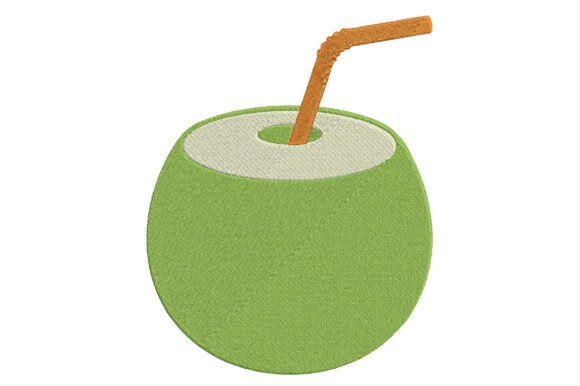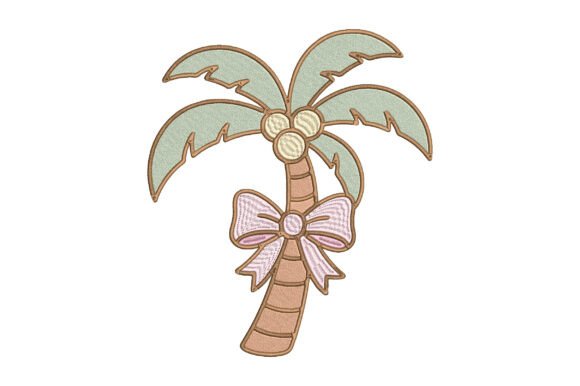
Coconut Tree Embroidery Design
A Designer’s Real-World Review for Personalized Gift Makers
As an embroidery designer who’s shipped over 3,000 custom gift orders—from baby blankets stitched for first birthdays to wedding keepsakes framed in nurseries—I tested the Coconut Tree Embroidery Design across seven real product types: organic cotton baby blankets, linen kitchen towels, canvas tote bags, cotton aprons, velvet pillow covers, muslin nursery wall hangings, and lightweight cotton onesies. Here’s what stood out—not as a file spec sheet, but as a working partner in meaningful gifting.
First Impressions: Calm, Clear, and Quietly Special
The Coconut Tree Embroidery Design lands with gentle confidence. It’s not loud or overly stylized—no exaggerated fronds or cartoon trunks. Instead, it offers clean line work, balanced negative space, and subtle layering in the foliage that reads as both handmade and professionally digitized. It feels like a quiet summer morning: serene, natural, and unhurried. That mood makes it instantly versatile—it leans neither tropical nor tropical-themed, so it avoids seasonal expiration. It’s equally at home on a gender-neutral baby blanket as it is on a wedding guest towel or a small shop’s “thank you” pillow cover.
Where This Design Truly Shines
- Baby embroidery: Its open structure and moderate scale (no tiny coconuts or fragile stems) hold up beautifully on soft, low-thread-count fabrics—ideal for swaddles and milestone blankets.
- Wedding gift: Paired with ivory thread on oatmeal linen, it becomes a subtle nod to destination weddings, beach elopements, or couples who met traveling—without needing palm trees or monograms.
- Embroidered towel: On medium-weight terry or waffle-weave kitchen towels, the design breathes. Unlike dense floral motifs, it doesn’t get lost in loops or bleed visually when folded.
- Pillow cover & blanket embroidery: The trunk’s vertical rhythm anchors the composition—making it stable even on larger formats where off-center stitching can feel unbalanced.
- Etsy seller & small shop product: It photographs cleanly. No glare-prone satin stitches or high-contrast fills—so your printable mockup translates directly to the finished product, building buyer trust before the first stitch.
- Custom embroidery preview: Because its silhouette is distinct yet unfussy, customers instantly “get it”—no explaining symbolism. That speeds up custom order approvals and reduces back-and-forth.
Where to Use Coconut Tree Embroidery Design With Care
This isn’t a one-size-fits-all file—and that’s a strength, not a limitation. Thoughtful placement matters:
- Avoid tight curves: Don’t place it across shoulder seams or deep bag gussets—the trunk’s clean lines distort if stretched.
- Watch fabric texture: On heavily napped fleece or thick terry, fine frond details may soften. Consider simplifying thread colors or increasing stabilizer weight.
- Stretchy baby clothes need testing: Knits require cutaway + tear-away combo stabilizer. Run a test on scrap rib knit before embroidering onesies.
- Dark fabric demands contrast checks: If using navy, charcoal, or forest green base fabric (yes—even though it’s in the Forest category), confirm your thread colors pop. Light ecru or sand tones often read better than stark white on deep hues.
- Frequent-wash items need density review: For embroidered towels or aprons used daily, verify stitch density supports durability without stiffness. Overly dense fills crack; too loose invites snagging.
How It Elevates Your Handmade Product—and Your Customer’s Experience
The Coconut Tree Embroidery Design quietly raises perceived value. Why? Because it looks intentional—not decorative filler. When a customer sees it on a handmade pillow cover or personalized tote, they don’t think “cute clipart.” They think “this was chosen, not tossed on.” That builds emotional connection: a new parent imagines their child growing up near trees; a couple remembers their honeymoon; a friend gifts it knowing it won’t feel dated next year.
For Etsy sellers and craft fair vendors, this translates to stronger product photography, higher engagement on listings, and fewer “Is this really handmade?” questions. It also encourages repeat buyers—because once someone owns one coconut tree piece, they’ll seek matching items: a towel, then a blanket, then a set of napkins.
Practical Embroidery Notes You Can’t Skip
Before adding Coconut Tree Embroidery Design to your production queue, do these five things:
- Test on scrap fabric—same fiber, same weight, same dye lot—as your final product.
- Check thread color contrast in natural light AND under your studio lamp. What reads well on screen may vanish on fabric.
- Confirm hoop size compatibility with your machine and intended placement (e.g., a 4x4 hoop works for towels; 5x7 gives breathing room on blankets).
- Review stitch density—especially in the frond tips and trunk texture. Too dense = stiff fabric; too sparse = fragile detail.
- Use proper stabilizer for your substrate: cutaway for knits, tear-away for stable wovens, heavy cutaway for thick towels.
And one non-negotiable: verify commercial licensing before selling finished products. As a digital embroidery file, its use rights determine whether you can legally offer it on Etsy, wholesale to boutiques, or include it in subscription boxes. If terms aren’t clear in the product description, reach out to the designer before launching.
Final Thought: A Quiet Anchor in a Busy Market
In a sea of fast-trend designs—florals that fade by July, slogans that date themselves—the Coconut Tree Embroidery Design feels like a quiet anchor. It doesn’t shout. It invites. It fits seamlessly into baby embroidery, wedding gift suites, nursery decor, and everyday handmade products—without demanding attention or explanation.
For embroidery makers, gift shop owners, and Etsy sellers building legacy through personalization, it’s more than a machine embroidery design. It’s a trusted collaborator—one that helps turn cloth into comfort, thread into memory, and a simple coconut tree into something quietly, deeply meaningful.