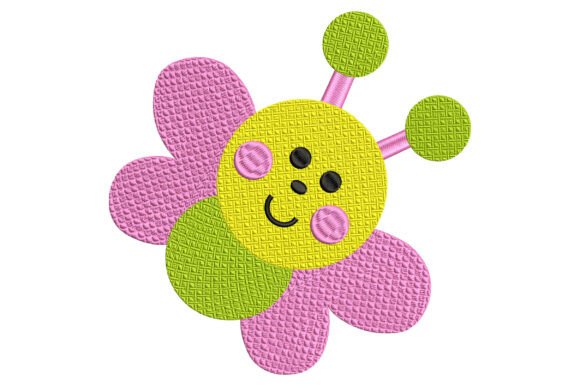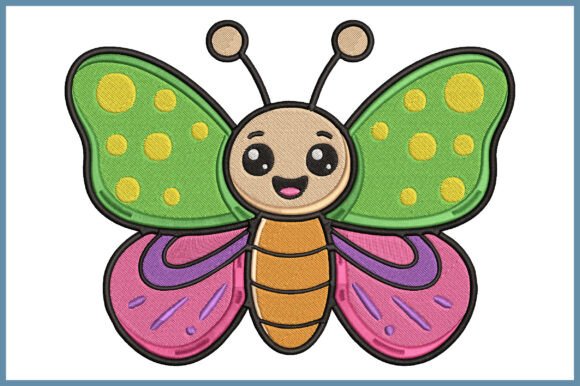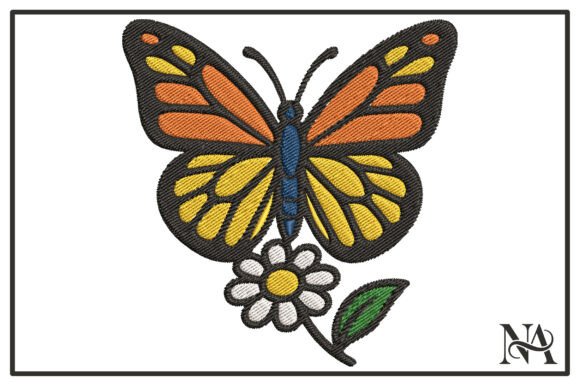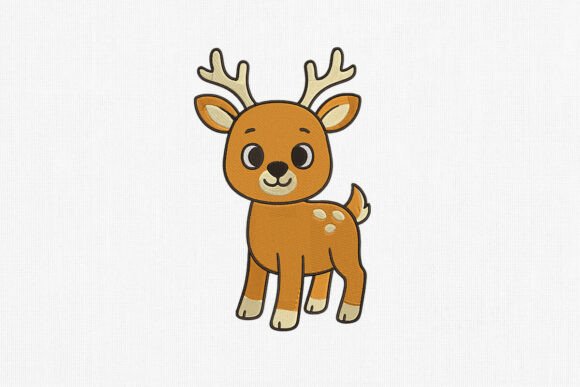
Cute Skateboarding Bee Embroidery Design
First Impressions: Whimsy with Purpose
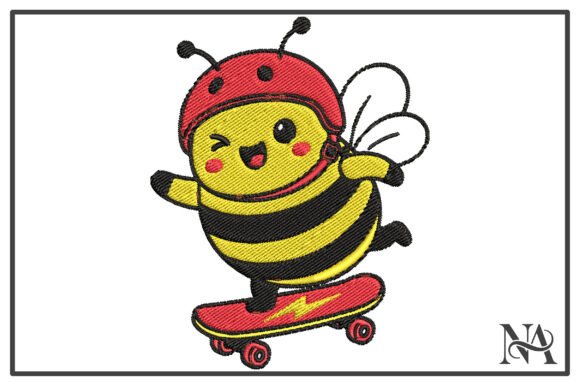
When I opened the Cute Skateboarding Bee Embroidery Design file, I didn’t just see a bug on a board—I saw immediate personality. The pose is dynamic but balanced: one wing slightly lifted, front wheels angled mid-turn, tiny helmet tilted just so. It’s not cartoonish overload; it’s intentional charm. As a designer who tests hundreds of embroidery files yearly, I appreciate how the layout avoids visual clutter—no tiny floating accessories, no overwrought background elements. This is a character-first machine embroidery design, built to hold attention at 3–4 inches wide. It reads clearly as “bee,” “skateboard,” and “fun” all at once—without needing explanation. That kind of clarity is gold for small shop owners stitching custom tote bags or baby onesies where first impressions drive repeat orders.
A Real-World Test: Stitching It on a Linen-Cotton Tea Towel
Last week, I used the Cute Skateboarding Bee Embroidery Design on a natural linen-cotton blend tea towel for a local boutique’s spring launch. I chose medium-weight cutaway stabilizer and tested stitch density first—some whimsical designs pack too many fill stitches, leading to stiff, puckered results on lightweight fabric. Here, the balance worked: satin-stitched wings held shape without stiffness, the skateboard deck used clean running stitch outlines, and the bee’s body relied on smooth fill stitch with subtle texture variation. No thread breaks. No skipped jumps. Customers loved how the design popped against the off-white fabric—not too loud, not too quiet. It felt handmade, not mass-produced. That distinction matters when you’re pricing a $28 towel as a premium kitchen gift.
Where It Shines (and Where It Needs Thought)
- Custom apparel: Works beautifully on sweatshirt sleeves and toddler hoodies—its horizontal orientation and compact height (under 3.5") avoids seam interference and fits standard hoop sizes.
- Embroidered patch potential: Clean outer edges and minimal interior detail make it ideal for iron-on or sew-on patches. Just confirm the file includes a tack-down layer if you’re planning applique design use.
- Baby embroidery & nursery decor: Soft curves and friendly expression land well on onesies, burp cloths, and pillow covers—no sharp angles or aggressive lines that read as “edgy” instead of “playful.”
- Etsy seller advantage: Stands out in search results for “whimsical insect embroidery” or “skateboard gift idea”—it bridges two popular themes without feeling forced.
Use With Intention—Not Assumption
This isn’t a one-size-fits-all embroidery file. On stretchy knits like t-shirts, I’d add tear-away + topping to keep the skateboard wheels from distorting. On dark fabric, test thread colors carefully—the yellow wing highlights can mute if paired with low-contrast thread. And skip it for curved surfaces like structured caps unless you’ve confirmed the design’s stitch path flows cleanly across a 2.5" front panel. Tiny details—like the bee’s antennae or skateboard grip tape lines—are legible at 3", but shrink below 2.25" and risk becoming muddy. If you’re listing this as a digital embroidery file for crafters, note that limitation upfront—it builds trust.
What It Adds to Your Finished Product
The Cute Skateboarding Bee Embroidery Design doesn’t just decorate—it elevates perceived value. A plain cotton apron becomes a conversation starter. A simple baby blanket gains storytelling warmth. That’s because the design carries emotional resonance: nostalgia for skate culture, affection for insects, and lighthearted energy. For Etsy sellers and handmade shop owners, that translates directly to higher cart conversion. Buyers don’t just buy a stitched bee—they buy a vibe, a memory, a piece of joy they’ll hand-stitch into their daily routine. And yes, it photographs well. Whether you’re building printable mockups for your product listings or shooting flat-lays for Instagram, its strong silhouette and balanced negative space keep it crisp even in natural light.
Designer Notes You’ll Actually Use
- Always run a test stitch on scrap fabric matching your final project’s weight and weave—especially for textured fabrics like terry cloth or bouclé.
- Check stitch density before hooping. If the file feels heavy in software preview, reduce underlay or adjust fill angle to prevent fabric distortion.
- Review small details in black-and-white mode—this reveals contrast issues before thread is loaded.
- Confirm hoop size compatibility. This design fits comfortably in a 4x4 hoop, but verify before batching orders.
- Use appropriate stabilizer: cutaway for knits, tear-away for stable wovens, and water-soluble topping for napped or fuzzy surfaces.
- If selling finished products commercially, double-check licensing terms—some Bugs category embroidery files restrict resale of physical items unless extended license is purchased.
Final Thought: Not Just Cute—Consistently Capable
There are plenty of “cute” embroidery files. Few deliver consistent performance across fabric types, stitch counts, and customer expectations. The Cute Skateboarding Bee Embroidery Design earns its place in my active project folder because it balances visual appeal with real-world function. It’s the kind of embroidery file I recommend to fellow designers launching a new line of holiday embroidery or a small shop owner updating their summer collection. It doesn’t shout—but it holds space. It doesn’t overpromise—but it delivers. And in a crowded market of digital embroidery files, that kind of quiet reliability is the most valuable stitch of all.