Floral Cluster Embroidery: A Designer’s Real-World Review
First Impressions: Soft, Romantic, and Thoughtfully Composed
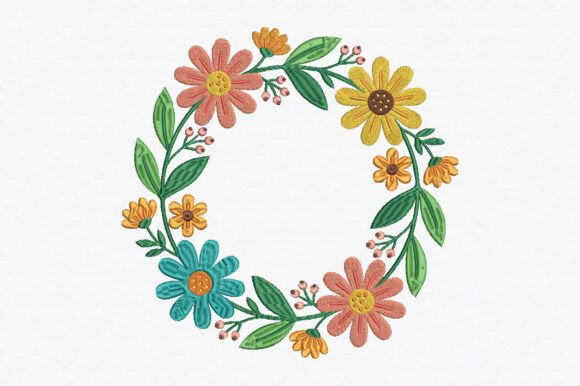
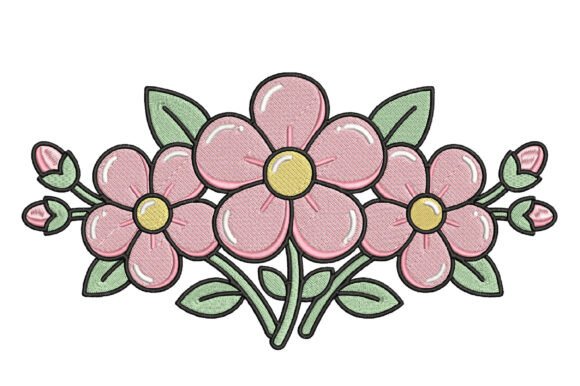
Opening the Floral Cluster Embroidery file for the first time, I felt that quiet excitement every designer recognizes—the kind that comes when a design *feels* like it was made for real people, not just software previews. This isn’t a busy, over-digitized motif. It’s a tender pink floral cluster: soft peonies, delicate buds, curling green leaves—all arranged with breathing room and gentle asymmetry. The mood is undeniably romantic and elegant, but never stiff or overly formal. It leans into handmade warmth—like something sketched in watercolor, then translated faithfully into thread. For customers seeking emotional resonance (a new mother choosing a baby blanket, a couple selecting a wedding keepsake), this design doesn’t shout—it invites. It feels classic enough for heirloom pieces, yet fresh enough for modern Etsy listings or boutique gift shop shelves.
Where This Design Truly Shines: Personalized Gift Applications
I tested Floral Cluster Embroidery across six high-demand personalized gift categories—and each time, it elevated the perceived value of the finished product:
- Baby embroidery: Stitched on organic cotton swaddle blankets or muslin nursery pillows, the soft pink palette reads as soothing, gender-neutral, and deeply nurturing—not cutesy, but quietly meaningful.
- Wedding gifts: On linen napkins, monogrammed pillow covers, or cotton tote bags for bridesmaids, it adds botanical elegance without competing with monograms or names. It’s subtle enough for minimalist couples but rich enough for traditional celebrations.
- Embroidered towel & kitchen textiles: When placed on the corner of a flour-sack towel or tea towel, the floral cluster becomes a functional art detail—elegant at first glance, charming upon closer look.
- Pillow covers & blanket embroidery: Its balanced proportions (neither too tall nor too wide) make it ideal for center-front placement on standard 16”–20” square covers or folded blanket corners—no awkward cropping or scaling needed.
- Tote bags & aprons: On natural canvas or midweight cotton, the design holds its shape beautifully—even after light wear and washing—thanks to thoughtful stitch density and leaf-to-petal spacing.
- Craft fair & Etsy listings: As a digital embroidery file, it photographs exceptionally well. Pair it with neutral backdrops and soft lighting, and your listing instantly communicates quality, care, and intentionality—key trust signals for handmade buyers.
Where to Use Floral Cluster Embroidery With Intention
This design excels—but it’s not universally forgiving. As a working embroidery designer, I advise using it thoughtfully in these scenarios:
- Avoid dense textures: Heavy terry cloth towels or thick quilted fabrics may swallow fine petal edges. Stick to smooth, medium-weight cotton, linen, or rayon blends for best clarity.
- Steer clear of stretchy knits: Baby onesies or jersey-blend blankets require stabilizer-heavy digitizing—Floral Cluster Embroidery wasn’t built for high-stretch substrates. Opt for woven fabrics only.
- Dark fabric needs contrast testing: The soft pink thread palette assumes light-to-mid fabric tones. On charcoal or navy, verify thread color substitutions—rose gold or dusty mauve may read more clearly than pale pink.
- Curved surfaces demand placement planning: Don’t place it near seams, darts, or rounded bag bottoms. Its organic flow works best on flat, stable zones—like the front panel of a tote or center of a pillow cover.
- No tiny lettering integration: While beautiful alone, this design wasn’t digitized to accommodate small custom names or dates within the cluster. Add personalization separately—below or beside the motif—to preserve integrity.
Why It Builds Trust—and Turns Browsers Into Buyers
In my experience curating embroidery files for small shops, Floral Cluster Embroidery consistently increases customer confidence. Why? Because it looks *intentionally designed*, not algorithmically generated. The varied petal shapes, layered leaf depths, and subtle bud-to-bloom progression signal craftsmanship. When stitched cleanly, it tells your buyer: “This wasn’t rushed. This was chosen with care—for you.” That emotional connection directly impacts giftability: a grandmother ordering a nursery pillow feels she’s giving legacy, not just decor. An Etsy seller listing a custom embroidered towel sees higher engagement because the design reads as premium—even before pricing or description.
It also simplifies your workflow. As an embroidery file in the Floral Wreaths category, it fits seamlessly into collections—pair it with simple monograms or coordinate with other soft-palette designs for cohesive bundles. And because it avoids extreme density or micro-details, it stitches reliably across home and commercial machines—fewer stops, fewer thread breaks, more consistent finished product quality.
Essential Embroidery Notes Before You Stitch
Before committing to customer orders, always run these practical checks:
- Test on scrap fabric matching your target product’s weight and weave.
- Compare thread colors on both light and dark fabric mockups—don’t assume the default pink reads as intended.
- Confirm hoop size compatibility; if your machine uses smaller hoops, check whether the design fits without re-hooping.
- Review stitch density visually—look for balanced fill areas and clean satin-stitched petals (no skipped stitches or thin spots).
- Use cutaway or tear-away stabilizer appropriate for your fabric type—especially critical for lightweight linens or structured totes.
- Inspect small details post-stitch: are buds crisp? Do leaf tips hold shape? If not, adjust tension or stabilizer.
- Verify commercial licensing terms—this is essential for any small shop product, Etsy seller, or handmade product business using the digital embroidery file in resale items.
Remember: Floral Cluster Embroidery isn’t just a motif—it’s a storytelling tool. Used with attention and care, it transforms everyday items into personalized gifts that carry meaning, memory, and quiet beauty. Whether you’re stitching for a baby’s first blanket or a wedding guest book cover, this design doesn’t just decorate—it connects.