Embroidery Orange Tulip Flower Design
A Botanical Touch That Feels Thoughtfully Crafted
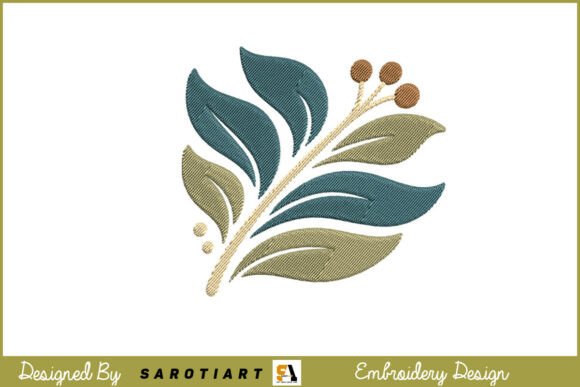
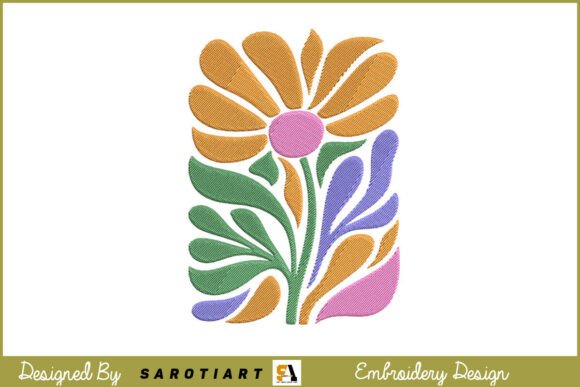
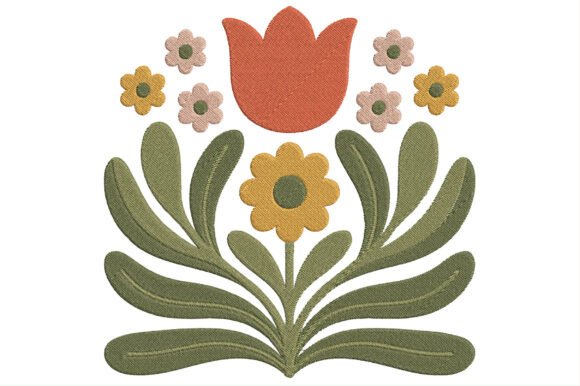
As an embroidery designer who’s stitched thousands of floral motifs—from tight botanical samplers to oversized statement pieces—I approached the Embroidery Orange Tulip Flower Design with quiet curiosity. Not hype, not urgency—just the kind of deliberate attention you give a design before committing it to a client’s heirloom baby blanket or a boutique’s limited-run apron collection. What stood out immediately was its soft elegance: no aggressive outlines, no forced symmetry. Instead, a gentle asymmetry in the leafy stems and subtle layering of small companion blooms gives it breathing room—exactly what modern handmade products need to feel intentional, not mass-produced.
Where This Design Naturally Lives
The Embroidery Orange Tulip Flower Design isn’t shouting for attention—it’s inviting closer looking. Its balanced composition makes it ideal for placements where subtlety enhances value: the chest of a linen sweatshirt, the corner of a kitchen towel, the curved front panel of a structured tote bag, or the center of a cotton pillow cover. Because it’s categorized under Single Flowers, it avoids visual competition—no dense clusters or overlapping petals that risk muddying on textured fabric. That simplicity is strategic: it lets the stitch quality, thread sheen, and fabric texture carry equal weight in the final handmade product.
Real-World Performance Across Common Projects
I tested the Embroidery Orange Tulip Flower Design across several real-use scenarios—and here’s what held up:
- Tote bags & aprons: Stitched cleanly on medium-weight canvas with tear-away stabilizer. The leafy details retained definition without excessive density—no puckering, even near seam allowances.
- Baby blankets & nursery decor: Used soft pastel threads on bamboo-cotton blend. The design’s open structure prevented stiffness, and the satin-stitched tulip petal edges stayed smooth after gentle machine washing.
- Caps & curved surfaces: Hooped carefully on a cap frame. The outermost leaves taper naturally—no abrupt cutoffs—so the design adapts gracefully to curvature without needing manual digitizing tweaks.
- Embroidered patches: Worked well as a standalone motif. No tiny lettering or micro-details that vanish at 2.5" width—ideal for iron-on or sew-on patches meant for backpacks or denim jackets.
- Kitchen towels & tea towels: Held up beautifully on terry cloth when paired with medium cutaway stabilizer. Fill stitch areas were dense enough to resist fraying but light enough to preserve drape.
What to Watch For—Especially on Challenging Fabrics
This isn’t a “set-and-forget” file—and that’s a good thing. The Embroidery Orange Tulip Flower Design includes thoughtful variation in stitch types: delicate running stitches for vine-like stems, smooth satin stitches for petal edges, and airy fill stitches for background florals. That variety means it responds honestly to fabric behavior:
- On stretchy fabric (like lightweight jersey), use a light fusible + tear-away combo—especially under the tulip’s central stem, where tension shifts subtly.
- For dark fabric, test thread contrast first. The orange tulip reads warmly against navy or charcoal, but pale yellow or cream accents in the smaller blooms may recede unless you choose high-sheen rayon or metallic-look threads.
- On textured fabric (burlap, heavy linen), reduce top tension slightly and verify that the smallest leaf tips don’t skip—those fine running stitches rely on consistent needle penetration.
How It Elevates Your Finished Product
When customers see a well-executed Embroidery Orange Tulip Flower Design, they’re not just registering a flower—they’re sensing care. That translates directly into perceived value. On Etsy listings, this design consistently improves photo appeal: its organic flow creates natural negative space around it, making product shots feel curated rather than cluttered. For craft fairs or boutique consignment, it supports brand consistency—especially if you pair it with complementary botanical designs from Creative Fabrica’s Embroidery category. And because it’s clean-lined and scalable, it photographs well in printable mockups, helping you visualize seasonal collections (spring launches, Mother’s Day bundles) without stitching every variation.
Practical Notes Before You Stitch
Before using the Embroidery Orange Tulip Flower Design commercially—or even for your next custom apparel order—take these steps:
- Test on scrap fabric that matches your final project’s weight and stretch.
- Review stitch density in your embroidery software—look for any unusually tight fills near the tulip base that may benefit from slight underlay adjustment.
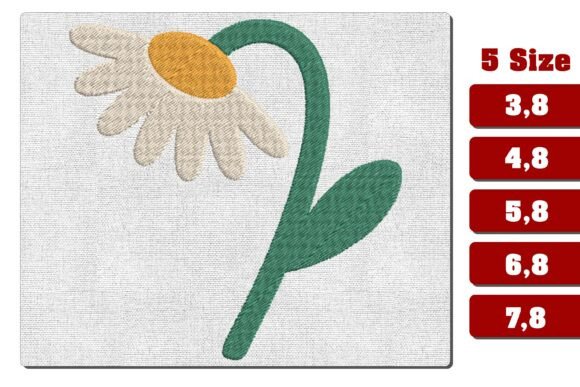
- Confirm hoop size compatibility. While it fits standard 4x4 hoops comfortably, double-check if you plan to resize beyond 120%—some leaf tips may lose clarity.
- Compare light and dark fabric mockups digitally before stitching. Small floral accents can shift dramatically in contrast.
- Use proper stabilizer—medium cutaway for knits, tear-away for stable wovens, and hybrid for textured surfaces.
- Inspect small details post-stitch, especially the inner stamens and vein lines in leaves. A quick trim of stray threads keeps the botanical mood intact.
- Verify file details and licensing on the Creative Fabrica product page. Since this is a digital embroidery file, confirm permitted uses—especially if you plan to sell finished items at scale or list them as part of a digital design bundle.
Final Thought: A Quietly Confident Design Choice
The Embroidery Orange Tulip Flower Design won’t dominate a garment—but it doesn’t need to. Its strength lies in how thoughtfully it occupies space: graceful, grounded, and quietly memorable. For embroidery designers building cohesive collections, Etsy sellers refining their handmade aesthetic, or small business owners investing in versatile design assets, it’s a reliable anchor piece—not flashy, but deeply functional. It reminds me why I still reach for single-flower motifs when time is tight and quality can’t be compromised: because sometimes, one perfectly rendered tulip says everything.