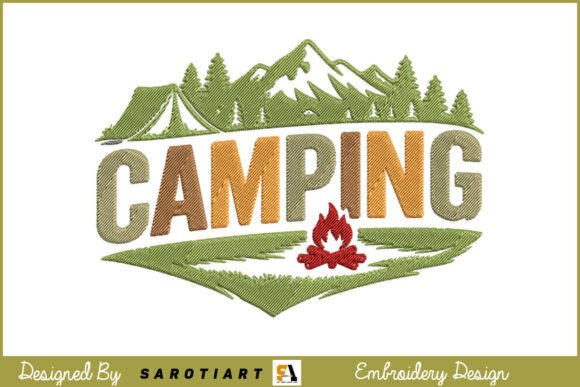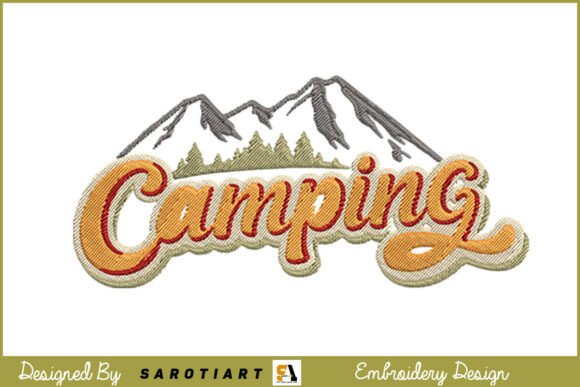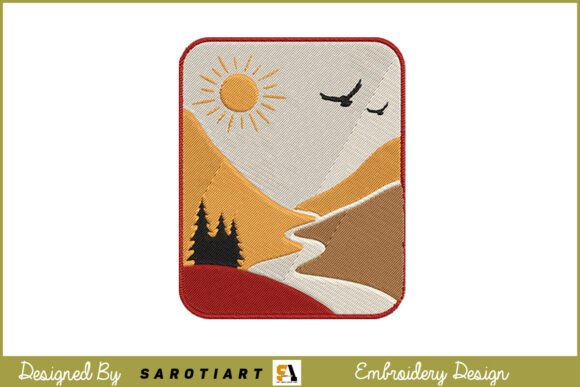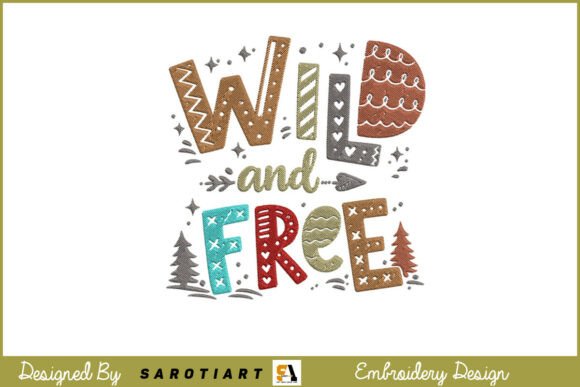
Wild and Free Camping Embroidery
A Designer’s Hands-On Review for Personalized Gift Makers
As an embroidery designer who’s stitched thousands of custom orders—from baby blankets for new parents to wedding keepsakes for couples who met on the trail—I approached Wild and Free Camping Embroidery with both curiosity and caution. This isn’t just another line art file; it’s a mood, a story, and a potential signature piece for your shop. Right away, its charm lands: soft curves, intentional negative space, and that gentle “Love Hands” motif woven into a nature-inspired silhouette. It feels handmade—not stiff or overly digitized—and carries warmth without leaning into cliché. It’s modern but not trendy, sweet but not saccharine, and quietly romantic in a way that resonates across generations.
Where This Design Truly Shines
Wild and Free Camping Embroidery excels where emotional resonance meets everyday utility. For baby embroidery, it adds quiet meaning to organic cotton swaddles or muslin burp cloths—especially for families who camp, hike, or simply value unhurried connection. On a linen kitchen towel? Instant heirloom energy. As a pillow cover for a nursery or mountain cabin guest room? It grounds the space with intention. And for wedding gifts? Think: a monogrammed blanket with this design subtly nestled near the corner, or an apron embroidered for the couple who cooks together over campfire meals. It’s also ideal for tote bags sold at craft fairs—lightweight, memorable, and deeply shareable.
Etsy sellers will appreciate how naturally it photographs. The clean line art translates beautifully into printable mockups: place it on a cream-colored pillow cover beside pinecones and a mason jar, and you’ve got scroll-stopping authenticity. Small shop owners notice something else—it invites storytelling. Customers don’t just buy a design; they buy the feeling of “us, under open skies.” That emotional connection lifts perceived value, builds trust in your handmade product, and encourages repeat orders (and tags!).
Thoughtful Applications Across Your Product Line
- Baby embroidery: Works beautifully on receiving blankets, onesies (choose mid-back placement to avoid seams), and milestone banners—just confirm fabric stretch tolerance first.
- Wedding gift: Elevates hand-stitched linen napkins, rustic wooden signs, or even a custom map pillow featuring their favorite trail.
- Nursery decor: Softens gendered themes—perfect for neutral-toned mobiles, wall hangings, or quilt blocks.
- Embroidered towel: Ideal for lightweight cotton or terry blends; avoid heavy looped towels unless you adjust stabilizer strategy.
- Pillow cover & blanket embroidery: Holds detail well on medium-weight fabrics like linen-cotton blends or quilting cotton.
- Aprons & tote bags: A standout on natural fibers—especially unbleached canvas or oatmeal denim.
Where to Proceed With Care
This design is thoughtful—but not foolproof. Its delicate hands and fine line work demand attention to context. Avoid placing it on highly textured fabric (like bouclé or thick waffle weave) without testing stitch clarity first. On dark fabric, verify thread color contrast—light ecru or oatmeal thread may disappear unless paired with a subtle satin stitch fill or shadow layer. For stretchy baby clothes, use cutaway stabilizer and reduce stitch density slightly to prevent puckering. And while it reads clearly on flat surfaces, curved items (like mugs with fabric sleeves or contoured tote straps) may distort fine lines—always test on a scrap mockup.
Also keep in mind: small lettering within the design (if present in your version) won’t resolve cleanly below 3/8”. If your file includes tiny script elements, double-check legibility at actual size before finalizing customer previews. Frequent washing? Recommend gentle cycles and air-drying for finished products—especially on towels and baby items—to preserve crispness over time.
Practical Embroidery Notes You’ll Want to Follow
Before stitching your first Wild and Free Camping Embroidery order, run these checks:
- Test on scrap fabric that matches your intended product—same weight, weave, and stretch.
- Confirm hoop size compatibility. Does it fit comfortably in your standard 4x4 or 5x7 hoop? If oversized, plan for re-hooping or multi-position setups.
- Review stitch density. Overly dense fills can overwhelm the airy feel; light fill or satin outlines often serve this design best.
- Choose stabilizer intentionally. Tear-away works for stable cottons; cutaway adds security for knits or linens; water-soluble helps with delicate top layers.
- Compare light and dark fabric mockups. Thread colors behave differently—what reads softly on ivory may vanish on charcoal.
- Inspect small details post-stitch. Check hands, leaf edges, and connecting lines for skipped stitches or fraying.
- Verify commercial licensing. Since you’re selling finished products, ensure your digital embroidery file permits commercial embroidery use—this is non-negotiable for Etsy sellers and small business owners.
Why This Design Fits Your Shop—Not Just Your Sewing Machine
Wild and Free Camping Embroidery doesn’t shout. It invites. That subtlety is exactly why it converts so well for personalized gift shops: it feels curated, not mass-produced. When customers see it on your website or craft fair table, they don’t think “embroidery design”—they think “this was made for *us*.” That sense of alignment builds loyalty. It also pairs effortlessly with complementary products: pair it with forest-green thread kits, recycled cotton labels, or minimalist gift boxes for cohesive bundles.
For digital product sellers, this embroidery file is a quiet powerhouse—easy to describe, simple to style, and versatile enough to anchor multiple seasonal collections (spring picnics, summer adventures, autumn harvests). For baby product creators and wedding gift designers, it bridges practicality and poetry. And for every handmade seller reading this? It’s proof that sometimes, the most meaningful personalization isn’t in the name—but in the feeling stitched between the lines.