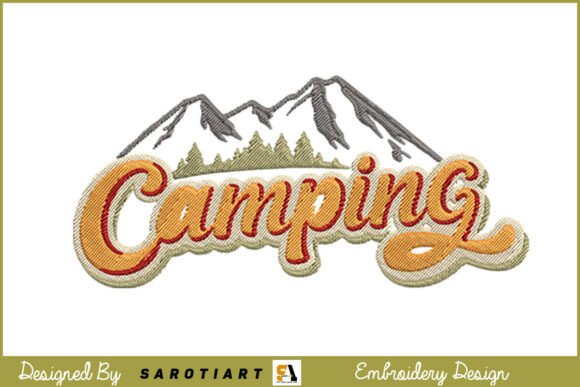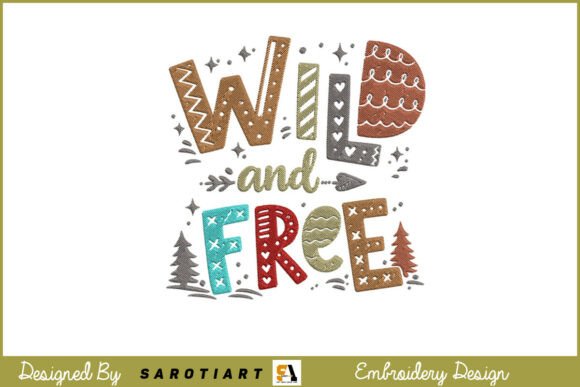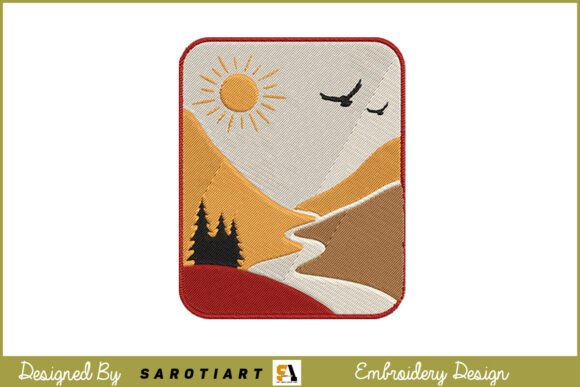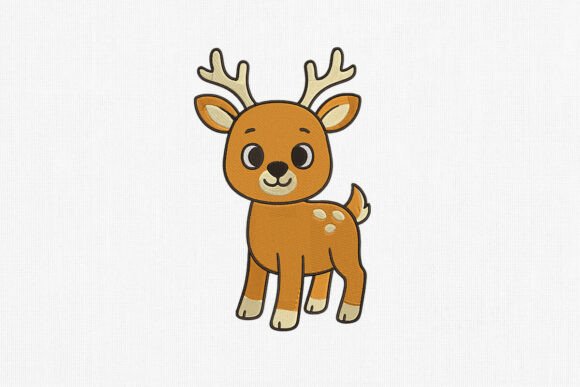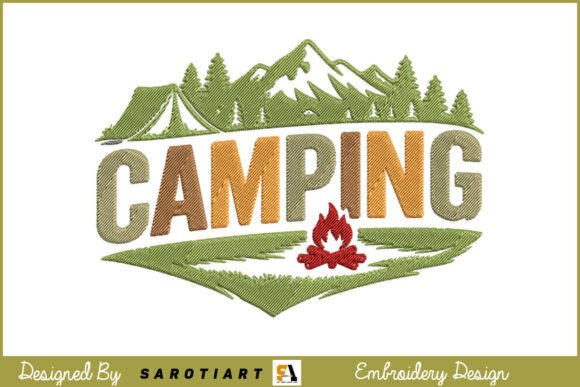
Wildlife Camping Embroidery Design
A Designer’s First Look: Simple, Warm, and Ready for Real Life
When I opened the Wildlife Camping Embroidery Design file, what struck me first wasn’t technical precision—it was mood. This isn’t a hyper-detailed forest scene or a cartoonish tent with exaggerated zippers. It’s clean line art: a friendly bear, a tiny tent, maybe a pine tree or two—arranged with gentle balance and breathing room. The “Love Hands” influence shows in its soft curves and approachable rhythm. It feels handmade, not mass-produced—and that’s exactly why it works so well for small-batch makers, Etsy sellers, and craft business owners who rely on authenticity over flash.
Where It Shines: Tote Bags, Sweatshirts, and Thoughtful Gifts
I tested Wildlife Camping Embroidery Design on a natural canvas tote bag for a local outdoor-themed pop-up shop. Paired with muted olive thread on off-white fabric, it landed perfectly—recognizable at a glance, charming without being cutesy, and scaled just right for a 4×4 hoop. It also stitched cleanly on a midweight cotton sweatshirt (with tear-away + cutaway stabilizer), holding crisp lines across the shoulder seam. For baby embroidery? Yes—but choose light-colored, pre-shrunk cotton onesies and avoid dense fill areas near seams where stitching can pucker. As a holiday embroidery piece on a linen tea towel? Absolutely. The design reads clearly even at smaller sizes, and its warmth makes it feel like a personal note—not a logo.
Why Crafters and Small Shops Will Reach for This One
- It supports storytelling: Customers don’t buy “a bear and a tent”—they buy “our first family camping trip,” “my kid’s nature camp graduation,” or “a gift for the friend who hikes every weekend.” Wildlife Camping Embroidery Design invites that meaning without demanding it.
- It scales gracefully: Whether resized for a cap front (with simplified detail) or enlarged for an apron pocket, the core shapes hold up. No fragile micro-details to vanish in fill stitch or blur on textured fabric.
- It plays well with others: As part of a boutique branding suite, it pairs naturally with simple typography (“Camp Wild”, “Pine & Pause”) or subtle botanical motifs—no clashing, no visual competition.
Where to Proceed With Care
This isn’t a one-size-fits-all embroidery file—and that’s honest design judgment, not a flaw. On stretchy fabric like jersey tees, the line work stays sharp, but avoid placing it over side seams or underarm curves unless you’ve stabilized aggressively. On dark fabric, test thread contrast first: light tan or cream thread reads softly; mustard or forest green adds punch without oversaturating. For embroidered patches, Wildlife Camping Embroidery Design works beautifully—but only if your backing allows for clean satin-stitch edges. Avoid using it full-size on thin baby blankets unless you reduce stitch density manually; dense fill areas can stiffen delicate weaves.
Design Notes Every Embroidery Professional Should Check
- Run a test stitch on scrap fabric matching your final project’s weight and texture—especially for custom apparel or personalized gifts.
- Review stitch density in the tent’s roof or bear’s ear: too dense = puckering; too sparse = gaps. Adjust if needed before batching.
- Confirm hoop size compatibility. While it fits standard 4×4 hoops comfortably, verify if your machine requires repositioning for larger versions.
- Inspect small corners and inner curves in your embroidery software—no hidden jump stitches or overlapping runs.
- Preview in black-and-white mockups. Does the silhouette hold up? Does negative space read as intentional, not accidental?
- Compare how it lands on light vs. dark backgrounds. Some thread colors flatter one better than the other.
- Use appropriate stabilizer: cutaway for knits, tear-away for stable wovens, fusible for lightweight linens.
- Verify licensing terms before selling finished products or bundling the digital embroidery file—this is essential for Etsy sellers and digital product shops.
How It Elevates Your Finished Product
Wildlife Camping Embroidery Design doesn’t shout. It settles in. That quiet confidence translates directly to customer trust—especially for handmade product buyers who scan for signs of care and intention. When stitched onto a nursery pillow cover, it feels like a keepsake, not decor. On a small shop’s branded tote, it signals thoughtfulness over trend-chasing. And for commercial embroidery projects—say, a batch of staff aprons for a nature center—it delivers consistency without stiffness. Buyers notice that. They remember it. And they come back for more design assets that feel human-made, not algorithm-generated.
Final Thought: A Reliable Anchor in Your Design Toolkit
If you’re curating embroidery files for real-world use—not just collecting, but creating—you’ll appreciate how Wildlife Camping Embroidery Design bridges versatility and voice. It’s not flashy, but it’s never forgettable. It won’t overwhelm a delicate baby onesie, nor disappear on a rugged canvas backpack. Used intentionally—with attention to thread choice, stabilizer, and context—it becomes more than a machine embroidery design. It becomes part of the story your customers carry with them.