Abstract Elegant Flower Embroidery
A Designer’s First Look: Grace in Line and Space
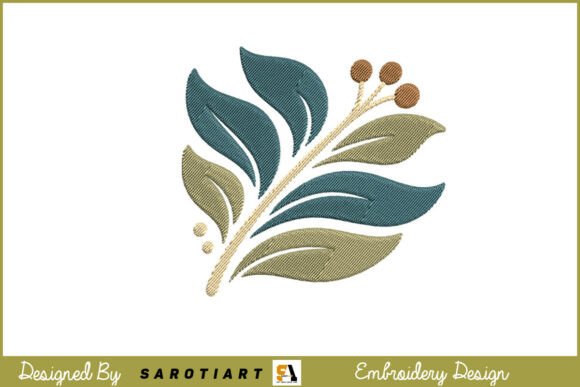
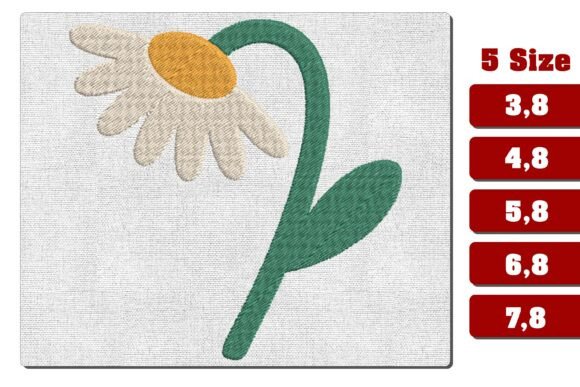
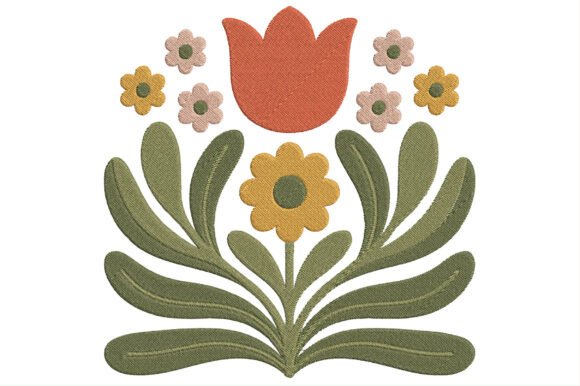
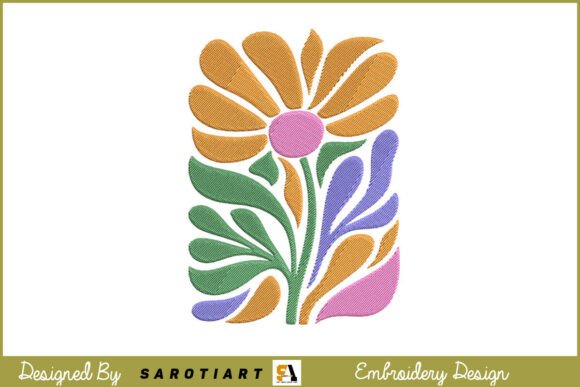
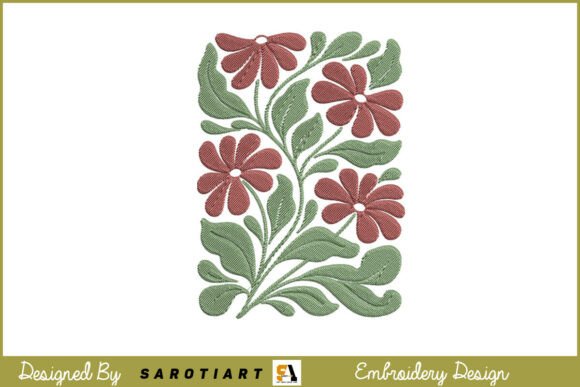
As an embroidery designer who’s developed hundreds of patterns for baby boutiques, wedding studios, and Etsy shops, I opened Abstract Elegant Flower Embroidery expecting charm—but what struck me first was its quiet confidence. This isn’t a fussy floral. It’s a single-flower composition with clean, flowing lines, subtle asymmetry, and intentional negative space—evoking both modern minimalism and timeless botanical illustration. The “Love Hands Line Art” influence shines through: tender, human, and unhurried. It feels handmade without looking amateurish; elegant without feeling cold. Customers drawn to soft romance, mindful gifting, or understated nursery aesthetics will immediately sense its warmth.
Where This Design Truly Shines
Abstract Elegant Flower Embroidery excels where emotional resonance meets practical versatility. Here’s how it translates across real-world personalized gift projects:
- Baby embroidery: Perfect for heirloom blankets, onesies, and muslin swaddles—its gentle scale and open structure avoid overwhelming delicate fabrics or tiny proportions.
- Wedding gifts: Stitched on linen pillow covers, cotton napkins, or monogrammed handkerchiefs, it adds poetic subtlety—not cliché florals—to keepsakes meant to last decades.
- Nursery decor: Works beautifully on framed wall hangings, canvas art panels, or quilted crib bumpers—its abstract nature grows with the child, avoiding dated themes.
- Embroidered towel & kitchen textiles: On flour-sack towels or tea towels, the design reads clearly even at medium distances, and its line-art clarity prevents muddying on textured weaves.
- Tote bags & aprons: As a focal point near the top hem or pocket, it balances utility and artistry—ideal for small shop products targeting conscious consumers.
- Etsy seller listings: Its visual calm photographs exceptionally well. Paired with natural light and linen backdrops, it elevates perceived value—even before stitching.
Thoughtful Placement Matters
Not every surface is equal—and Abstract Elegant Flower Embroidery rewards intentionality. Use caution when applying it to:
- Stretchy baby clothes: The design’s graceful curves rely on stable fabric tension. Always test on scrap knit fabric with appropriate stabilizer to prevent distortion.
- Thick or highly textured towels: While it works on flour-sack towels, dense terry cloth may obscure fine line work. Opt for lighter-weight cotton blends or adjust stitch density downward.
- Curved surfaces (mugs, curved pillow fronts): Avoid placing near seams or pronounced contours—lines can warp visually. Center it on flat zones for clean readability.
- Dark fabric without contrast testing: Since thread colors aren’t specified, always run a printable mockup and compare light/dark fabric swatches before finalizing your palette.
- Products requiring frequent washing: Confirm stabilizer type and thread quality—especially for baby embroidery or kitchen textiles—where durability impacts trust and repeat orders.
Why It Builds Customer Trust—and Repeat Sales
This isn’t just another machine embroidery design. Abstract Elegant Flower Embroidery functions as a quiet signature: it signals care, curation, and emotional intelligence in your handmade product. Buyers don’t just purchase a flower—they’re investing in a feeling: tenderness, continuity, intention. That emotional connection directly lifts perceived value. When customers unbox a pillow cover stitched with this design, they feel seen—not sold to. For Etsy sellers and small shop owners, that translates into stronger reviews, higher conversion from product photography, and deeper engagement in custom order conversations (“What color thread would honor her grandmother’s garden?”).
Practical Notes Every Embroiderer Should Run Before Stitching
Before using Abstract Elegant Flower Embroidery on customer orders—or listing it as part of your digital embroidery file collection—run these checks:
- Test on scrap fabric matching your final product’s weight, stretch, and texture.
- Confirm hoop size compatibility—does it fit comfortably within your most-used hoops without re-hooping mid-stitch?
- Review stitch density: Is it balanced for your intended fabric? Too dense risks puckering on lightweight cotton; too sparse loses definition on dark backgrounds.
- Choose stabilizer wisely: Tear-away for stable wovens, cut-away for knits, and water-soluble for delicate layers like organza overlays.
- Compare thread color contrast on both light and dark fabric mockups—don’t assume black-on-cream reads the same as cream-on-navy.
- Inspect small details post-stitch: Are line ends crisp? Does the central motif retain its airy elegance—or does stitching blur its grace?
- Verify commercial licensing before selling finished products or bundling it into kits. If unclear, contact the source—this protects your small business reputation and avoids future takedowns.
Final Thought: A Design That Grows With Your Shop
Among the thousands of Single Flowers in my library, Abstract Elegant Flower Embroidery stands out not for complexity—but for clarity of voice. It doesn’t shout. It invites. Whether you’re stitching a baby blanket for a first-time parent, curating wedding gift boxes, or building an Etsy brand around slow, soulful making, this embroidery file earns its place. It reminds us that the most powerful personalized gift isn’t the loudest—it’s the one that feels quietly, unmistakably *true*. And that kind of authenticity? That’s what keeps customers returning—not just for the next flower, but for the next moment you help them mark with meaning.